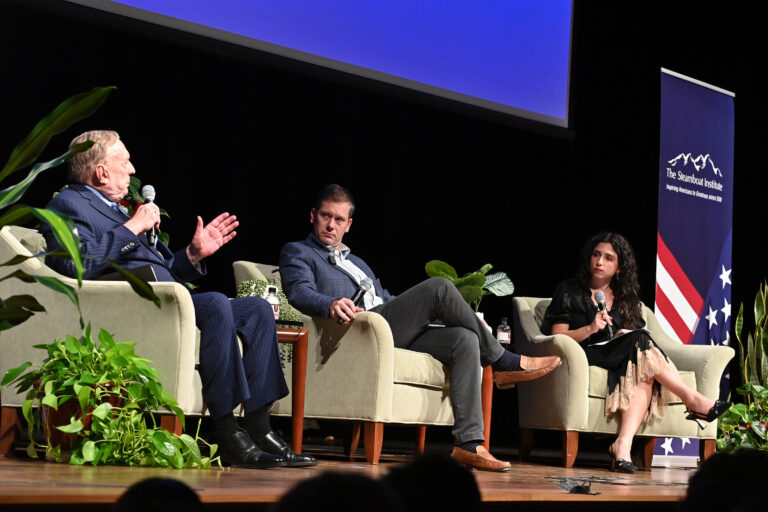
ERHS Professors Present Papers on Philosophy and Ethics
Dr. Duncan Richter, professor in the Department of English, Rhetoric, and Humanistic Studies (ERHS) and holder of the Charles Luck III ’55 Institute Professorship, and Dr. Reshef Agam-Segal, professor of philosophy in ERHS, both at Virginia Military Institute, recently presented papers as part of the LOE Centenary Project (LOE), an online lecture series hosted by the University of Potsdam, located in Potsdam, Germany.
Both Richter and Agam-Segal are scholars of Ludwig Wittgenstein, considered to be one of the most influential philosophers of the 20th century. The LOE derives its name from, and is dedicated to Wittgenstein’s famous, “Lecture on Ethics,” which he delivered in 1929 to the Heretics Society at Cambridge University in England.
The LOE lecture series began in March, when Agam-Segal presented his paper titled, “How to Be Morally Resolute: Diamond vs. Conant.” Richter followed in June when he presented, “Ethics and the Supernatural.”
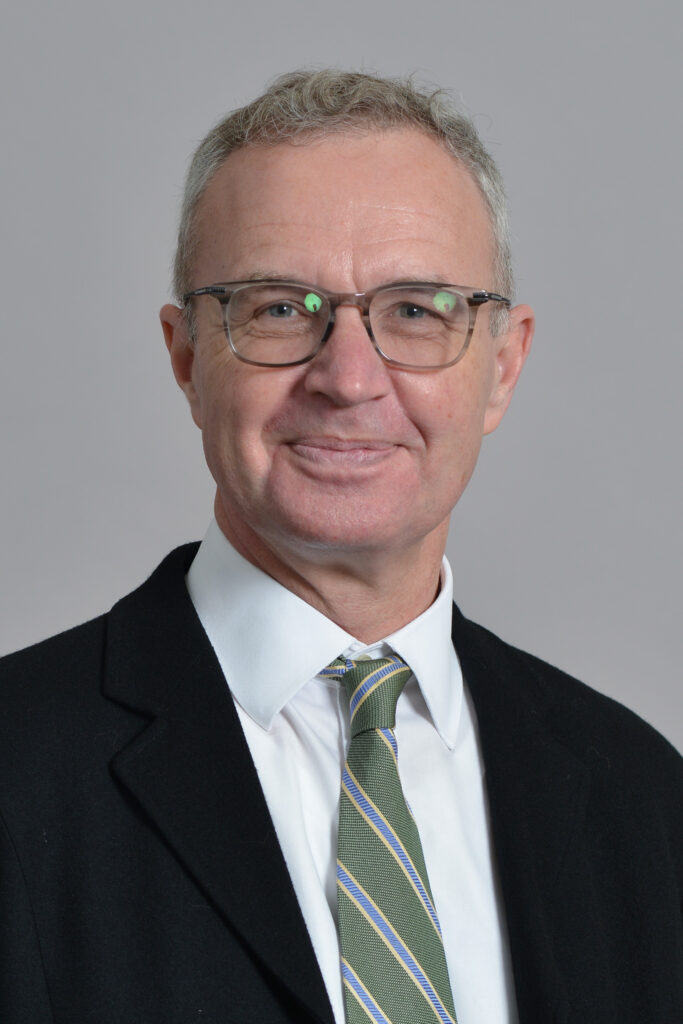
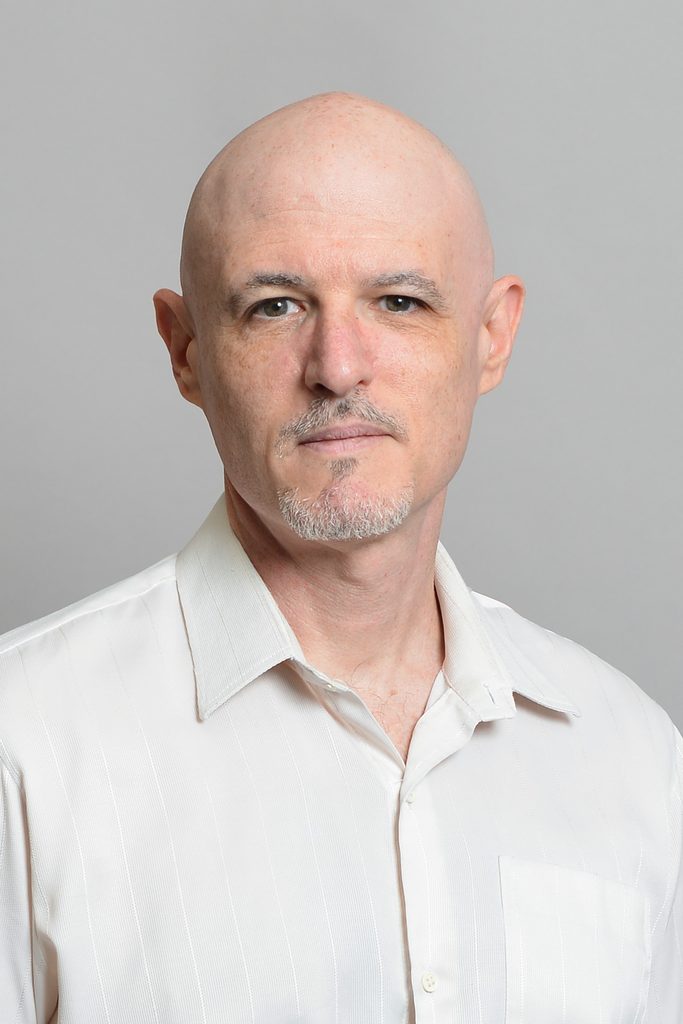
Additionally, in June, Agam-Segal attended the Wittgenstein and Ancient Philosophy conference in Athens, Greece, where he presented his paper, “Wittgensteinian Hylomorphism in the Philosophy of Mind.” In July, he traveled to Toronto, Canada, for the annual meeting of the Society for the Study of the History of Analytical Philosophy where he presented, “Aesthetic Characterization.”
In August, Richter attended the 47th International Wittgenstein Symposium 2026 in Kirchberg, Austria, where he presented, “The Groundlessness of Ethics,” a paper which addresses the fact that Wittgenstein, at least in 1929, seemed to believe there was nothing rational about being ethical. Richter detailed in his paper, which he plans to expand into a book, reasons to think ethics could be rational as well as reasons to think it could not.
At VMI, Agam-Segal teaches courses in philosophy, logic, and critical thinking. Richter teaches courses in ethics, aesthetics, and comparative religion, and is the academic adviser to the Ethics Team.