ECE Cadets Aid Disabled Veteran with Capstone Project
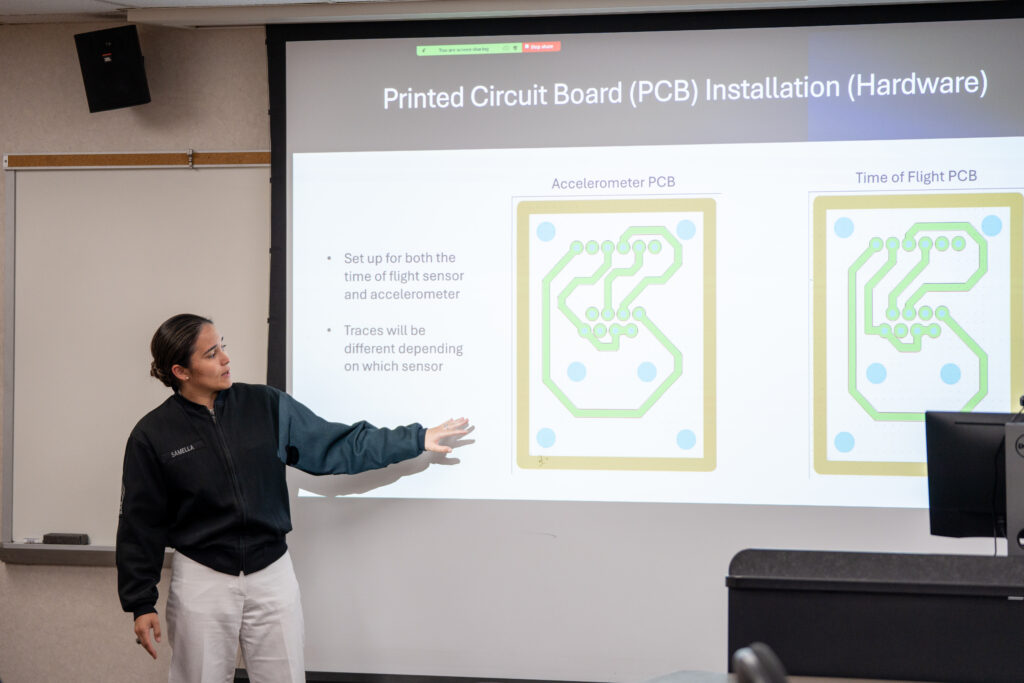
Eight 1st Class cadets majoring in electrical and computer engineering (ECE) at Virginia Military Institute recently presented their capstone project after working on it throughout the academic year. According to Col. David Feinauer, professor in the Department of ECE, the engineering capstone experience is an important milestone and prepares the cadets for their future careers.
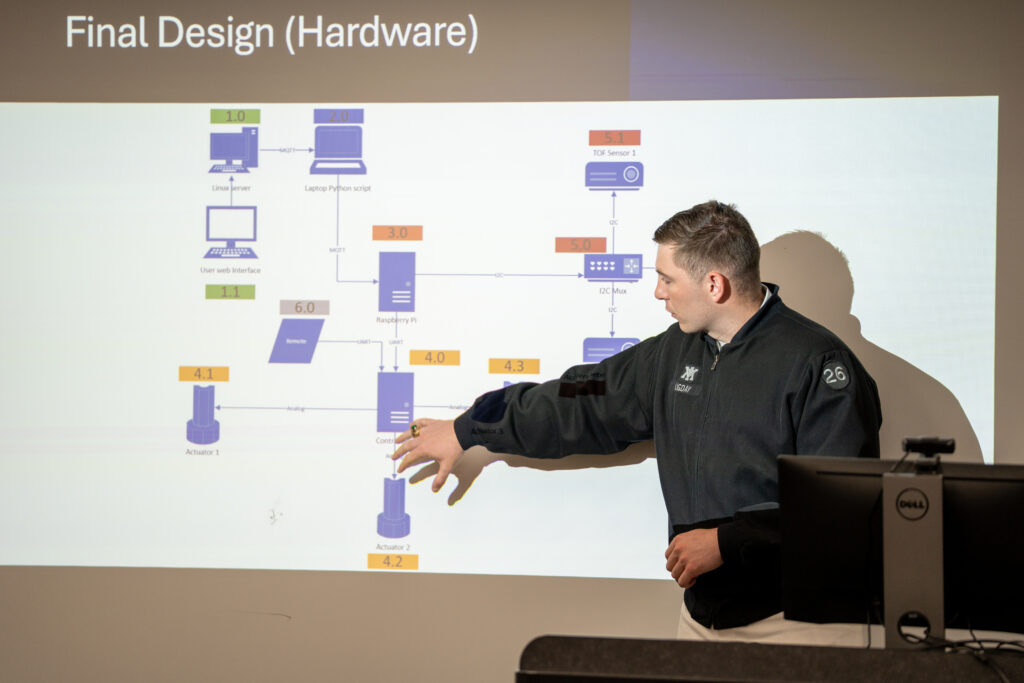
“Our cadets applied engineering design to meet real human needs,” Feinauer said as he described the project. “They worked in two teams and developed both custom hardware as well as software to transform an over-the-bed workstation platform into a smart home-integrated, more accessible, user-centered assistive technology that enhances independence and everyday comfort. Their effort on this project provided a meaningful example of the service embedded in a VMI education and the power of engineering with purpose.”
Their effort on this project provided a meaningful example of the service embedded in a VMI education and the power of engineering with purpose.
Col. David Feinauer, professor in the Department of ECE
The cadets’ work was for the benefit of Jeremy Davis, a disabled and bedridden Army veteran living in Maine. He sustained damage to his nervous system and internal organs during a service-related injury. Rehabilitation engineers at the Department of Veterans Affairs Medical Center in Richmond, Virginia, provided Davis with a motorized over-the-bed workstation allowing him to use a computer from bed. The cadets worked to make the workstation more accessible by allowing him to control the position of the monitor and keyboard directly from his computer or phone.
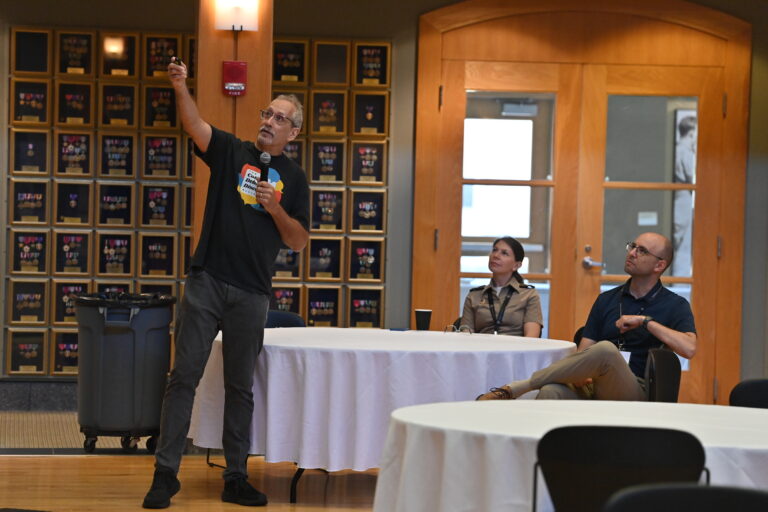
Davis was connected to VMI through Project S.E.R.V.E. (PS), a national nonprofit founded to engineer personalized solutions for veterans and emergency responders, enhancing their quality of life. Steve McMillan, project manager with PS, explained the process.
“Our staff reviews hundreds of project requests we receive from veterans and emergency responders to identify those that align with our mission of working with student engineers. We also speak with capstone professors like Col. Feinauer to gauge the types of projects they are seeking. We then reach out to the requestors to discuss and assess possibilities. We currently have 27 partner universities across the country and strive to align pairing regionally. As a 501(c)(3), we are limited to a certain number of projects each year, since we depend on donations and grants to fund the projects.”
According to Nicholas Ligday ’26, project manager for the hardware team, this process was rewarding. “This wasn’t just an academic project, but one someone will use on a daily basis, and definitely a crowning achievement of my cadetship. We were able to help someone in a way that will leave a lasting impression. Despite the challenges and all our other obligations at VMI, we stayed focused on helping someone else. I think it really says something about the kind of people VMI produces.”
Davis was pleased with the final results. “The cadets’ conduct and commitment gave me a great deal of confidence in the future leadership of our military. They represent the very best of what you hope to see: competent, thoughtful, and mission-focused individuals who genuinely care about the people they serve. Their ability to translate real-world user needs into practical engineering solutions speaks volumes about their training and character,” he shared.